

Sports Medicine
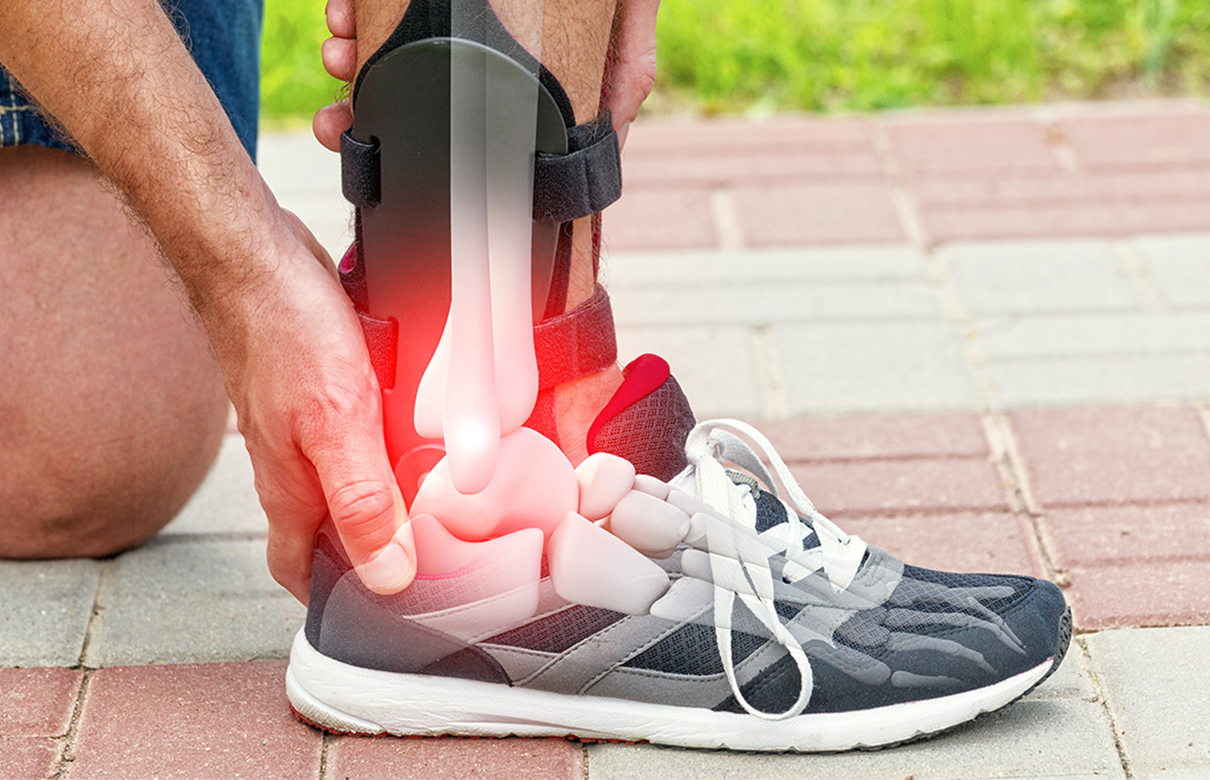
PRP treatment is used in sports medicine as an adjuvant therapy within rehabilitation for musculoskeletal injuries, especially tendon, muscle, and ligament injuries, as well as postoperative healing processes.
The autologous platelet-rich plasma obtained by centrifugation can help modulate local inflammatory processes, reduce pain, and support regenerative processes in the tissue.
PRP therapy is generally used in combination with established conservative measures such as physiotherapy and structured training. Complementary manual therapy and massage techniques can support the rehabilitation process.
Injection Areas and Mechanism of Action
In sports medicine, PRP is injected locally into damaged tissue structures. The application works locally in the treated area and is used depending on the indication to support natural healing processes and promote functional rehabilitation.
- Bruises, dislocations, and distortions (sprains)
- Tendon pathologies (tendinopathies)
- Muscle injuries
- Ligament injuries and partial ruptures
- Selected post-traumatic soft tissue injuries (adjuvant)
- Derived from the patient's own blood (autologous therapy)
- Very low risk of allergic or immunological reactions
- Usually short or no downtime in daily life or sports
- Minimally invasive procedure
- Can be combined with established conservative treatment methods
- Contribute to supporting regeneration after musculoskeletal injuries
- Modulate pain and inflammatory reactions in the treated tissue
- Support functional recovery during the healing process
- Promote local repair processes in the tissue
- Influence the activity of the body's own growth factors in the treated area
- Be used in combination with rehabilitation measures (e.g., physiotherapy)