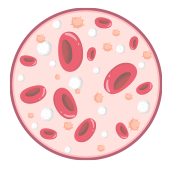
PRP therapy (platelet-rich plasma) is used in gynecology as a supportive, regenerative treatment. It is based on autologously obtained plasma with growth factors that can support local repair and regeneration processes in the tissue.
The application is medically indicated and used as a supplement to established gynecological therapies.
PRP is used supportively for:
Chronic inflammatory changes in the cervix and vagina (e.g., cervicitis)
Chronic endometritis (adjuvant to standard therapy)
Dystrophic changes of the vulva (e.g., lichen sclerosus / kraurotic changes)
Mucosal atrophy in the urogenital area
Postoperative tissue regeneration in the gynecological area
In addition, PRP is increasingly being studied in regenerative gynecology and reproductive medicine, particularly in connection with:
Support of endometrial regeneration (e.g., in thin endometrium) within fertility treatments and possible improvement of implantation conditions
Applications in intimate medicine, including so-called "G-Shot" treatments (PRP injection in the area of the G-spot to potentially improve local sensitivity)
Complementary approaches in stress urinary incontinence, currently mostly in study or off-label contexts
Support of regenerative processes through platelet-dependent growth factors
Promotion of local blood circulation and tissue supply
Accompanying support of mucosal regeneration
Adjuvant improvement of healing dynamics in chronic conditions
The scientific evidence is indication-dependent. While PRP is used as a supportive therapy in established gynecological applications, applications in reproductive medicine, intimate medicine, and functional urogynaecology are still partly in clinical evaluation and are being further researched.
We use cookies to ensure that we give you the best experience on our website. If you continue to use this site we will assume that you are happy with it.