
The Plasmabiotech method is based on the application of autologous platelet-rich plasma (PRP), which is obtained from the patient's own blood through centrifugation. The plasma-rich preparation contains concentrated platelets and growth factors that can support regenerative processes in the tissue.
The Plasmabiotech Method
Procedure
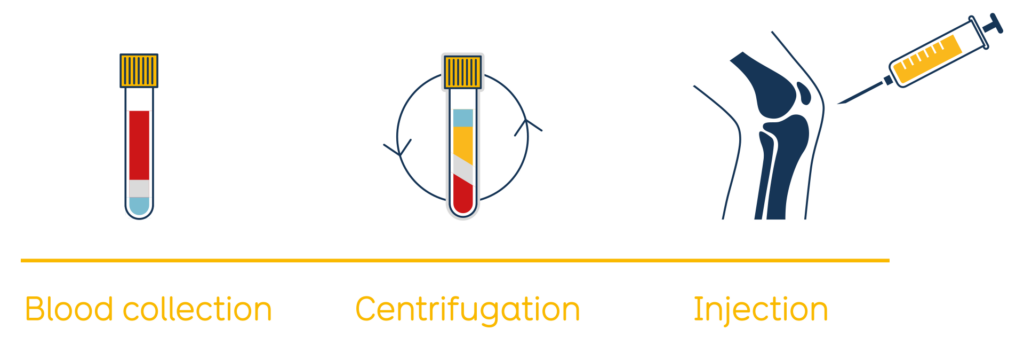
The procedure includes the collection of autologous blood, processing via centrifugation to enrich platelet-rich plasma, and subsequent local application to the respective target tissue. The aim is to support the body’s own regeneration processes in the treated area.
Blood Collection:
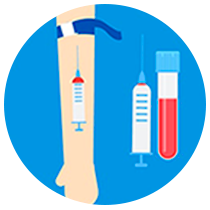
After preparing the patient, a vein in the arm is punctured with a sterile cannula, and 9 to 12 ml of blood is drawn, depending on the treatment protocol.
The collection of this small amount of blood has no negative effects on the patient's health and does not impair the normal function of the body.
Centrifugation and Plasma Separation:
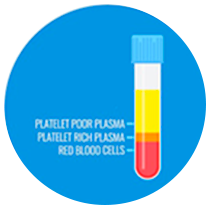
Autologous platelet-rich plasma (PRP) is obtained from whole blood through centrifugation. To obtain plasma with high therapeutic potential, the blood must be processed correctly. Normally, the platelet concentration in human blood is between 150,000 and 350,000 platelets per microliter. For effective regenerative stimulation, this concentration should be increased to approximately 1,000,000 platelets per microliter.
Platelet-rich plasma (PRP) with increased platelet concentration is obtained by centrifuging the patient's own blood in special PRP tubes. The quality of the preparation depends on the systems used and the respective process parameters.
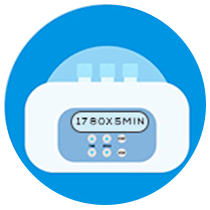
During centrifugation, the tubes are placed vis-à-vis (opposite each other) in the centrifuge rotor to ensure correct balance and optimal plasma separation.
Plasma Injection:
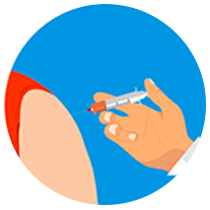
The obtained platelet-rich plasma (PRP) is injected into the respective treatment area. The SPB PRP tubes enable efficient separation of blood into erythrocytes, plasma, and a platelet-rich fraction.
During processing, the autologous platelet-rich plasma is isolated and then specifically applied to the intended tissue areas. PRP acts as a biological stimulus to support regenerative processes and contains an increased concentration of platelet growth factors.
PRP treatment takes less than 30 minutes

Separation of Platelets
The tubes are then placed in a centrifuge, where the blood is separated into its components by high rotational speeds.
Contraindications:
- Acute local or systemic infections
- Malignant tumors
- Severe coagulation and platelet disorders
- Blood-thinning medications (to be assessed individually)
- Severe systemic diseases in acute or unstable condition
- Severe anemia or other relevant blood disorders
- Severe mental illnesses with limited capacity to consent
- Acute febrile or systemic inflammation