Stomatology

Stomatology

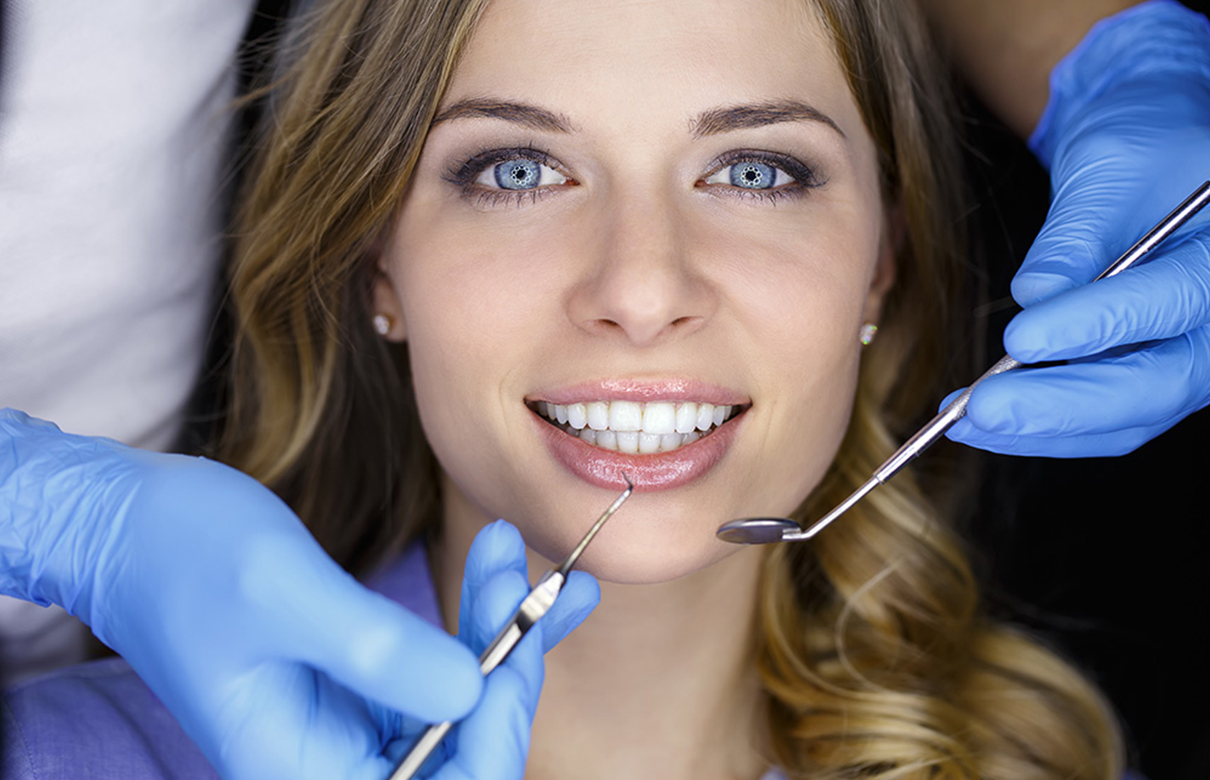
In stomatology, PRP treatment enables the local stimulation of regenerative processes in oral tissues, helping to reduce periodontal inflammation, support the natural restoration of gum structure and shape, and prevent further bone loss.

Autologous plasma injections promote the formation of new capillaries, improve metabolism and blood circulation, and enhance the local immune response within the oral cavity.

This method can also be used in combination with antibacterial, anti-inflammatory, and immunomodulatory medications, allowing autologous platelet-rich plasma injections to be integrated into a comprehensive treatment approach.

Injection Areas and Procedure

In stomatology, PRP treatment involves injecting platelet-rich plasma into affected gum tissues, implant sites, bone graft areas, sinus lift regions, post-extraction tooth sockets (alveoli), osteosynthesis sites, membrane fixation areas, and soft tissues of the maxillofacial region.
Recommended needle size: 0.3 mm diameter, 13 mm length (29G).

Due to the growth factors it contains, platelet-rich plasma injected into tissues promotes the formation of new capillaries, improves local circulation, supports tissue respiration, and enhances metabolic exchange. In addition, bone tissue is strengthened, while collagen matrix formation and bone regeneration are stimulated through the activity of collagen and bone morphogenetic proteins. Local immune response is also enhanced.

The components contained in the plasma are entirely natural, have no mutagenic effect, and do not cause tumors or other harmful reactions. A major advantage of PRP treatment is its safety: the injected material is derived from the patient’s own blood, making it non-toxic and eliminating the risk of rejection, allergic reactions, or infectious complications.

  • Generalized periodontitis (degrees 1, 2, and 3)

  • Gingivitis

  • Alveolitis

  • Prevention of periodontal tissue diseases

  • Implant surgery and tooth extractions

  • Peri-implantitis

  • Stimulates natural self-regeneration processes in affected tissues and problematic areas

  • Promotes the formation of new capillaries, improving local blood circulation

  • Normalizes tissue hydrodynamics, respiration, and metabolic exchange

  • The plasma components are entirely natural, have no mutagenic effects, and do not cause tumors or other harmful reactions

  • The method is non-toxic and eliminates the risk of rejection, allergic reactions, or infection

  • Conventional antibacterial and anti-inflammatory treatments used in modern stomatology often provide only temporary relief, reducing inflammation and slightly improving hemodynamics without directly stimulating tissue regeneration. In contrast, PRP therapy helps restore regenerative processes by delivering biological factors that support tissue repair.

  • Control gingival bleeding

  • Support the prevention of periodontal disease

  • Reduce tooth mobility

  • Eliminate halitosis (bad breath)

  • Relieve pain

  • Accelerate healing after tooth extraction

  • Reduce the risk of implant rejection

  • Stop the progression of periodontal disease

  • Restore the physiological color and anatomical shape of the gums

  • Promote post-implant healing

  • Professional oral hygiene

  • Application of ointments and gels

  • Therapeutic injections

  • Pharmaceutical treatment

  • Dental implantation

  • Surgical procedures

  • Photodynamic therapy

  • Local ozone therapy