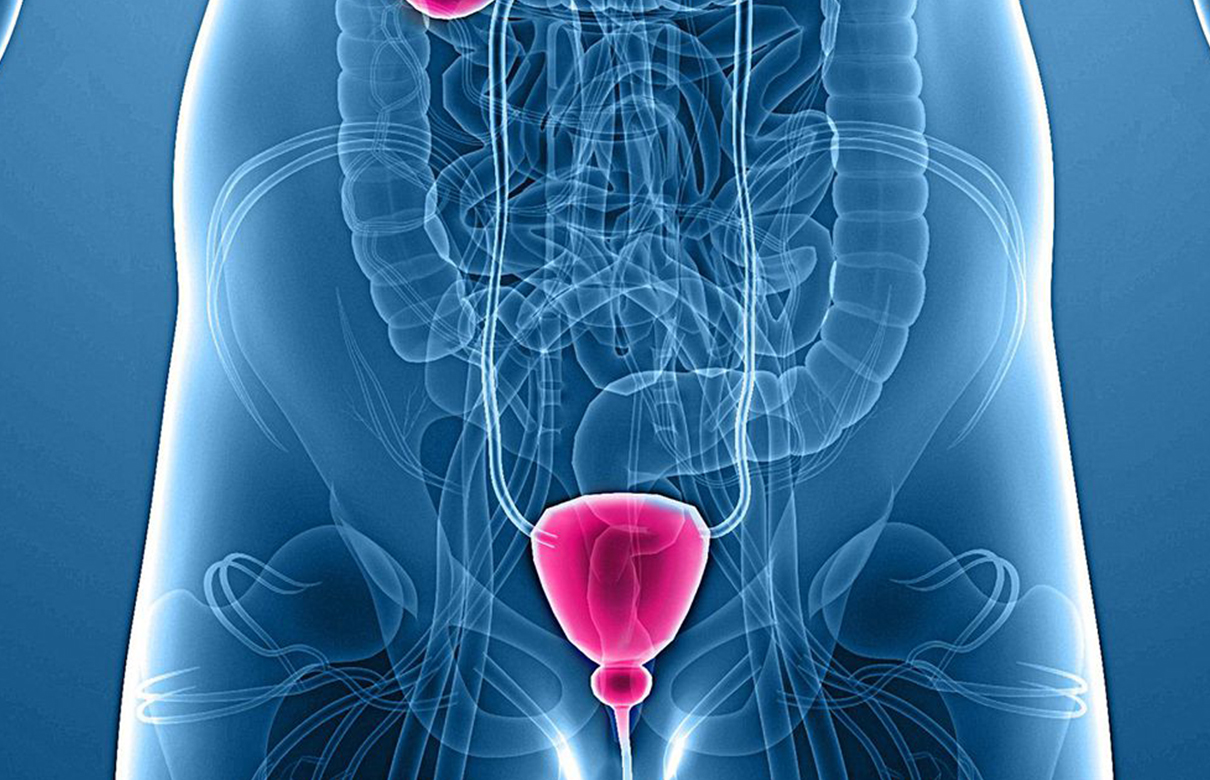
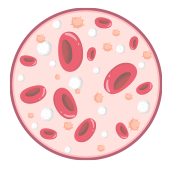
PRP therapy (platelet-rich plasma) is used in urology as a supportive treatment for chronic inflammatory diseases of the urinary tract. It is based on autologously obtained plasma with growth factors that can support regenerative processes in the tissue.
The aim of the treatment is the accompanying support of mucosal regeneration, the improvement of local healing processes, and the possible reduction of inflammation-associated complaints. The application is carried out within the framework of medical indication and as a supplement to established urological therapies.
Mucosal lesions in the area of the bladder or urethra (depending on indication)
Support of urothelial and mucosal regeneration
Promotion of local blood circulation and tissue healing
Modulation of inflammatory processes in the tissue
Accompanying improvement of healing processes in chronic conditions
The scientific evidence is indication-dependent and, especially in chronic urological pain and inflammation syndromes, is still the subject of ongoing research. PRP is currently mainly used as an adjuvant therapy within multimodal treatment concepts.
The application is local, for example, intravesically (into the bladder) or periurethrally, depending on the clinical concept and indication. PRP is generally used as a supplement to conservative urological standard therapies.
Combination with other treatment methods is possible, especially:
Drug therapy (e.g., anti-inflammatory or antimicrobial)
We use cookies to ensure that we give you the best experience on our website. If you continue to use this site we will assume that you are happy with it.